Everything You Required to Know About Shipping Containers and Their Practical Applications
Shipping containers have evolved from mere devices for transport to flexible frameworks with many useful applications. Their durable design and standard sizing make them excellent for a series of uses beyond shipping. From cutting-edge housing services to lasting farming, their versatility is significant. The opportunities do not end there. Discovering their different functions exposes shocking understandings right into creative solutions and modern difficulties. What other functions could these containers play in today's world?
The Layout and Framework of Shipping Containers
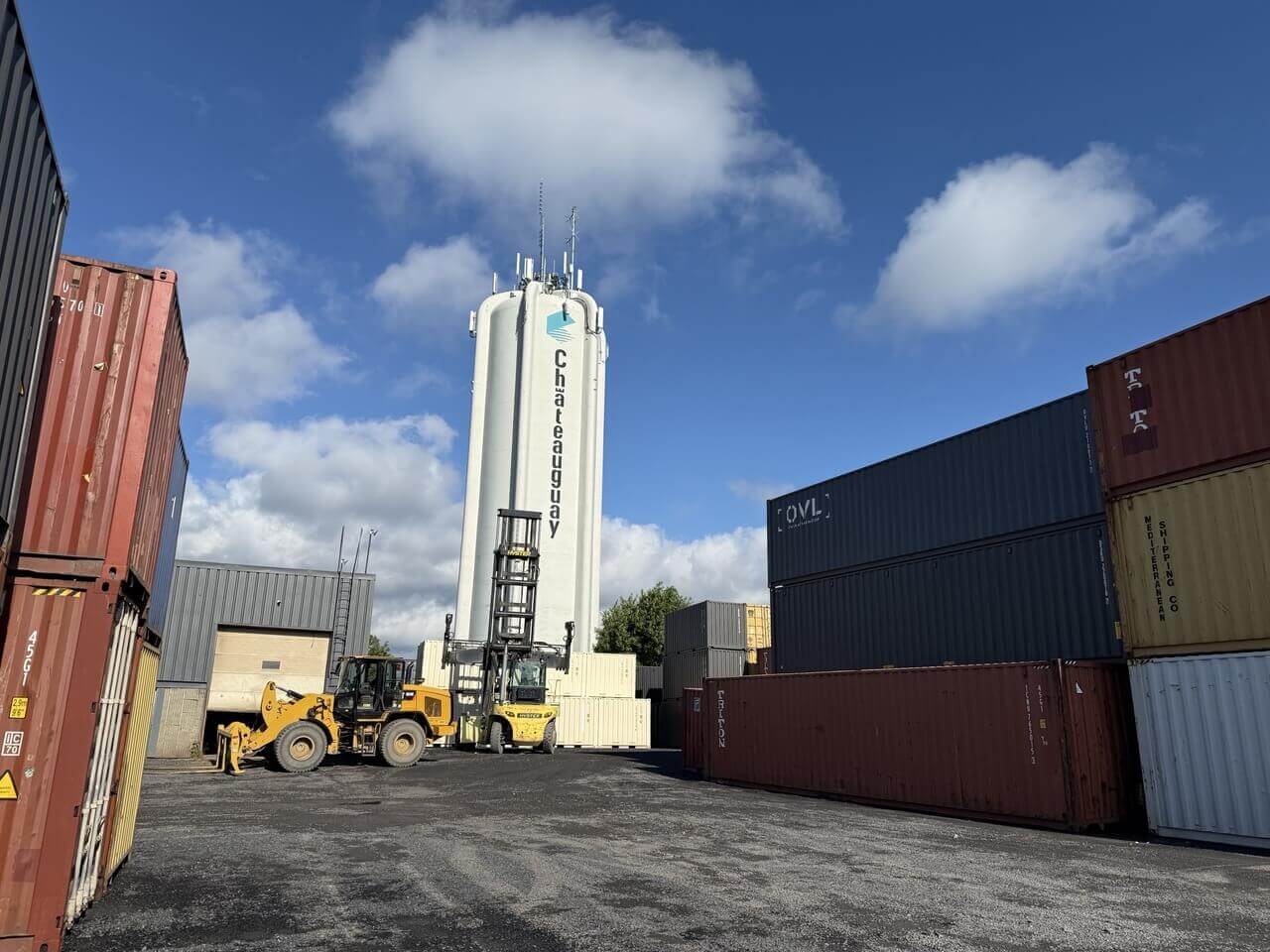
Internally, containers are developed to make best use of space, often including wood or steel flooring that can sustain considerable weight. Ventilation systems might be included to avoid wetness buildup, which is crucial for sensitive cargo. Additionally, strengthened edges enable easy handling by cranes and forklifts, helping with seamless loading and discharging. This thoughtful design and structure add to the containers' convenience across numerous shipping and storage space applications.
Advantages of Using Shipping Containers
While many transportation methods have their advantages, the usage of shipping containers sticks out because of their unmatched adaptability and effectiveness. Shipping containers supply a standardized size, making them very easy to stack and deliver throughout different settings of transport, including ships, trains, and vehicles. This standardization minimizes loading and discharging times, therefore enhancing total performance.
Shipping containers are constructed from sturdy products, providing robust security for items during transit. They are weather-resistant and safe and secure, reducing the threat of damages from ecological factors or burglary. Additionally, the modular layout of delivery containers permits easy personalization, allowing services to adjust them for different purposes, such as storage or mobile offices.
Finally, their portability and cost-effectiveness make delivery containers an attractive choice for services seeking to improve logistics and supply chain operations. These benefits contribute to the growing appeal of delivery containers in different markets.
Creative Real Estate Solutions With Shipping Containers
Ingenious housing solutions have become an amazing application of shipping containers, leveraging their fundamental strengths for residential usage. These flexible frameworks provide a sustainable choice to conventional structure products, often at a fraction of the cost. Engineers and designers have transformed containers right into stylish, practical homes, catering to varied way of lives and preferences.
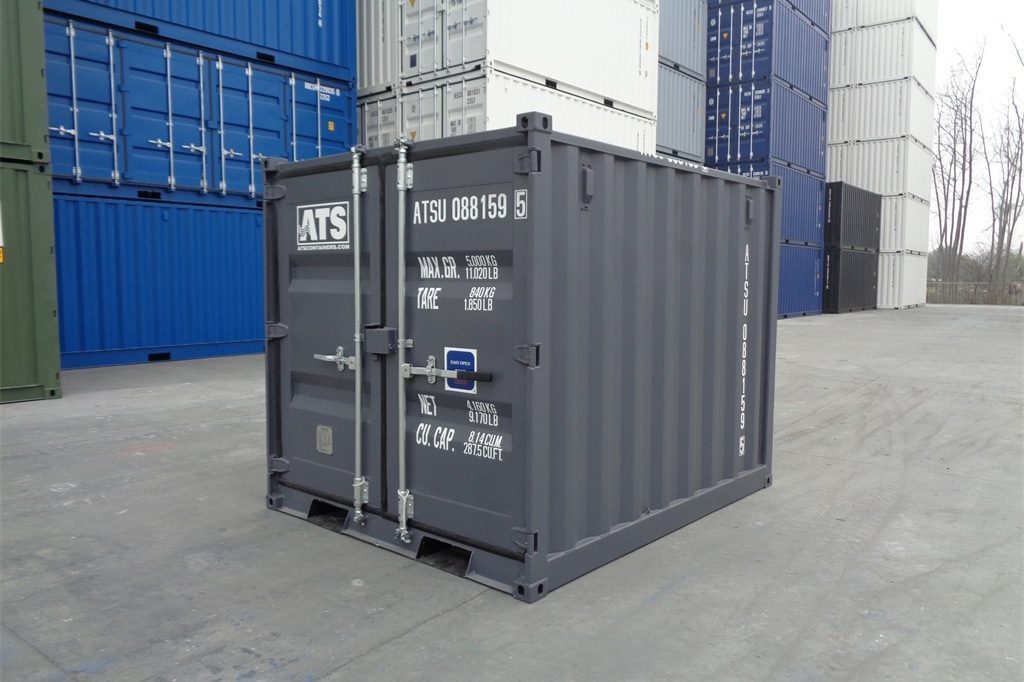
Moreover, delivering containers are eco-friendly, promoting recycling and minimizing waste. Many projects focus on power effectiveness, integrating eco-friendly roofs and solar panels. As urbanization boosts, these cutting-edge housing solutions offer a sensible feedback to housing shortages while promoting a distinct architectural visual.
Shipping Containers in Retail and Pop-Up Shops
A growing number of retailers are transforming to delivering containers as a dynamic option for pop-up stores and retail rooms. These flexible structures supply a cost-effective alternative to traditional stores, permitting organizations to develop special, appealing settings that attract clients. Their modular design enables very easy transportation and installment, making them optimal for seasonal or short-term retail areas.
Retailers can customize delivery containers to reflect their brand identification, changing them right into aesthetically appealing shops that attract attention in jampacked markets. The compact nature of containers additionally encourages effective use room, enabling innovative designs that maximize client flow and engagement. Furthermore, shipping containers can be situated in unusual places, such as vacant whole lots or city parks, raising accessibility and foot web traffic.
As the retail landscape progresses, delivering containers provide a flexible and innovative remedy that meets the demands of contemporary customers while enhancing the purchasing experience.
Lasting Farming Practices Making Use Of Shipping Containers
Sustainable farming practices increasingly include shipping containers as innovative remedies for farming - sea sea can for sale can for sale. These container ranches make use of hydroponics to make best use of area and resource efficiency, supplying a cost-effective technique to food manufacturing. By transforming shipping containers into farming hubs, farmers can attend to food protection and environmental issues concurrently
Container Farming Advantages
While typical agriculture deals with difficulties such as land scarcity and climate adjustment, container farming offers a feasible choice that maximizes area and resources. This ingenious approach allows for year-round plant manufacturing in controlled settings, reducing reliance on weather. Container farms use much less water than traditional farming, advertising sustainability and preservation. They can be established in metropolitan areas, bringing fresh produce closer to customers and minimizing transportation emissions. Additionally, the modular nature of delivery containers allows scalability, permitting farmers to readjust operations based upon demand. Container farming likewise lessens chemical use by developing a confined ecosystem, eventually enhancing food security. As metropolitan populaces expand, container farming arises as a practical service to satisfy the boosting demand for local, lasting food sources.
Hydroponics in Containers
Hydroponics, which enables plants to expand without dirt by using nutrient-rich water, grows within the boundaries of shipping containers, making it an ideal technique for metropolitan farming. These containers develop a regulated atmosphere that enhances humidity, temperature, and light, allowing year-round farming. With minimal room in urban locations, delivering containers provide a scalable option for expanding fresh produce. Hydroponic systems within containers can consist of numerous methods, such as nutrient film technique (NFT) and deep water culture (DWC), which optimize return while decreasing water use. This cutting-edge method not just enhances food safety but also minimizes the carbon impact connected with traditional farming methods. Subsequently, hydroponics in containers represents a forward-thinking service for sustainable metropolitan food production.
Economical Agriculture Solutions
As food manufacturing encounters increasing obstacles because of environment modification and urbanization, delivering containers become an affordable remedy for agriculture. These versatile structures can be repurposed for different lasting farming practices, such as hydroponics and upright farming. By using controlled atmospheres within containers, farmers can maximize growth cycles and lower resource usage, consisting of water and fertilizers. Furthermore, delivering containers can be strategically positioned in urban areas, reducing transport costs and enhancing access to fresh fruit and vegetables. Their modular nature enables for scalability, enabling farmers to broaden procedures as need grows. Repurposing containers adds to throw away decrease, lining up with environmentally friendly agricultural campaigns. Overall, shipping containers existing ingenious chances for reliable and sustainable food production.
Emergency Situation and Catastrophe Alleviation Applications of Shipping Containers

Organizations frequently use shipping containers to produce mobile facilities or area medical facilities, ensuring that treatment gets to those in need. Furthermore, they can be changed into command centers for coordinating rescue operations, thereby improving business performance during crises.
Additionally, containers can be changed to save necessary items such as water, food, and clothing, protecting products till they are distributed. Their flexibility enables them to be quickly delivered to different locations, making certain that assistance arrives where it is most quickly needed. On the whole, shipping containers play an essential role in boosting the performance of catastrophe relief initiatives worldwide.
Frequently Asked Questions
Exactly How Are Shipping Containers Transported From One Location to Another?
Shipping containers are moved using trains, trucks, and ships, utilizing cranes for packing and unloading. This multi-modal transportation system makes certain reliable activity throughout land and sea, attaching global supply chains and helping with international trade.
What Is the Average Life-span of a Delivery Container?
The ordinary lifespan of a shipping container normally varies from 10 to 25 years, relying on maintenance, usage, and environmental aspects. Correct treatment can prolong their usability, while disregard might result in degeneration and damage.
Can Shipping Containers Be Changed for Different Usages?
Yes, shipping containers can be customized for different uses. They function as homes, workplaces, pop-up shops, and storage space devices. Their flexibility permits for innovative adjustments, making them ideal for a large range of applications.
Are Shipping Containers Eco Friendly?
Shipping containers can be environmentally friendly, as they advertise repurposing and recycling. Their sturdiness lowers waste, while their usage in alternate real estate and businesses minimizes the need for brand-new products, contributing to lasting techniques.
How Do I Choose the Right Size Shipping Container?
To choose the appropriate size delivery container, one need to assess storage needs, consider the designated use, and examine space availability - Shipping Containers. Typical dimensions consist of 40-foot and 20-foot containers, each serving numerous storage and transport requirements successfully
Ingenious housing remedies have actually emerged as an interesting application of shipping containers, leveraging their inherent staminas for residential usage. The adaptability of delivery containers enables for innovative designs, from single-unit houses to complex multi-container plans. Lasting farming methods significantly include shipping containers as innovative options for agriculture. In addition, the modular nature of shipping containers allows scalability, permitting farmers to change operations based on demand. Hydroponics, which permits plants to grow without dirt by utilizing nutrient-rich water, prospers within the boundaries of shipping containers, making it a perfect technique for urban agriculture.